A Museum In The Making
The permanent exhibition has been developed through a museological process that brought together the Museum’s collection, the history of the Department, research into the history of computing and telecommunications, recorded testimony and exhibition design.
The aim is to create a permanent exhibition that can continue to evolve as the technologies and questions it addresses change.
Vision
The Museum is planned as a space for research, education and public engagement with Informatics and Telecommunications.
Its permanent exhibition will trace the development of these fields while connecting global technological history with the history and research of the Department of Informatics & Telecommunications.
The exhibition has been designed to remain dynamic. Members of the academic and student community can contribute to its development, particularly in areas connected with contemporary and future research.
Museological Concept
Begin with Computation
The central idea of the exhibition is computational thinking.
Rather than organising the Museum only around a succession of machines, the proposed narrative examines what computation has allowed people to do at different moments in history.
The experience begins with the history of Informatics and Telecommunications and moves into six thematic areas that explore changing uses of the computer.
A route without a fixed path
The six themes have historical starting points, but the visitor is not required to follow a rigid chronological route.
The museological study describes a looser chronology, beginning around the 1940s and continually connecting historical developments with the present.
Learning through participation
The proposed experience uses physical objects alongside interactive exhibits, audiovisual material, storytelling and data visualisation.
The study places particular emphasis on active participation, discovery and social interaction between visitors.
Themes
01
The beginnings of modern computing, scientific calculation, early electronic machines and the people who performed and programmed calculations.
The Mathematical / Scientific Computer
1940s–1950s
02
Mainframes, large-scale data processing, punched cards and the growing importance of software.
The Business Computer
1950s–1960s
03
The moment computing entered homes and became increasingly personal, experimental and connected with gaming and everyday use.
The Personal / Home Computer
1980s
04
Networks, the Internet and the World Wide Web transformed access to information and communication between people and machines.
The Networked Computer
1990s
05
Computing became increasingly present in art, gaming, performance, cultural heritage and other forms of creative practice.
The Creative Computer
2000s
06
Computing spreads across mobile devices, sensors, connected environments, artificial intelligence and the Internet of Things.
The Ubiquitous Computer
2010s to today
Proposed Space
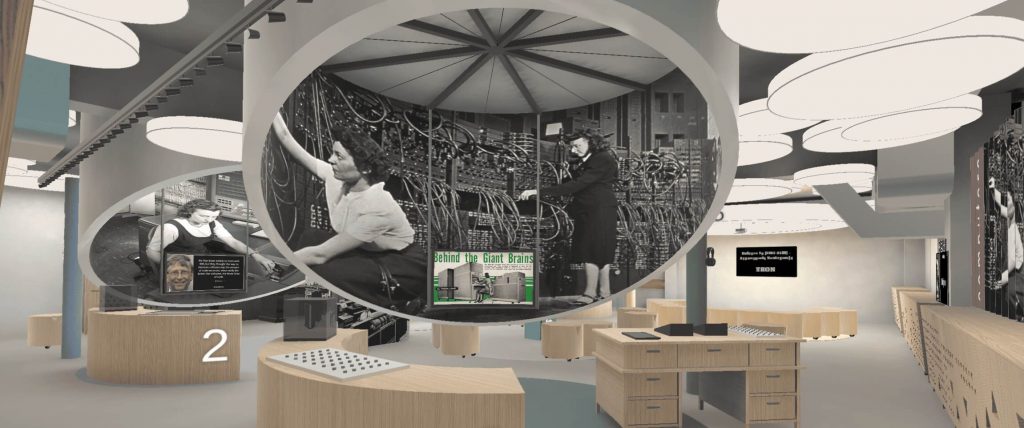
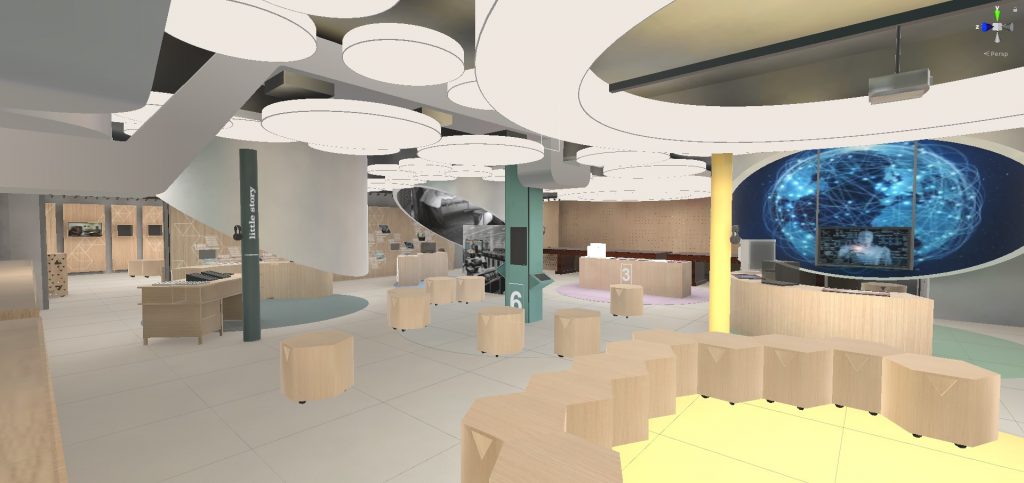
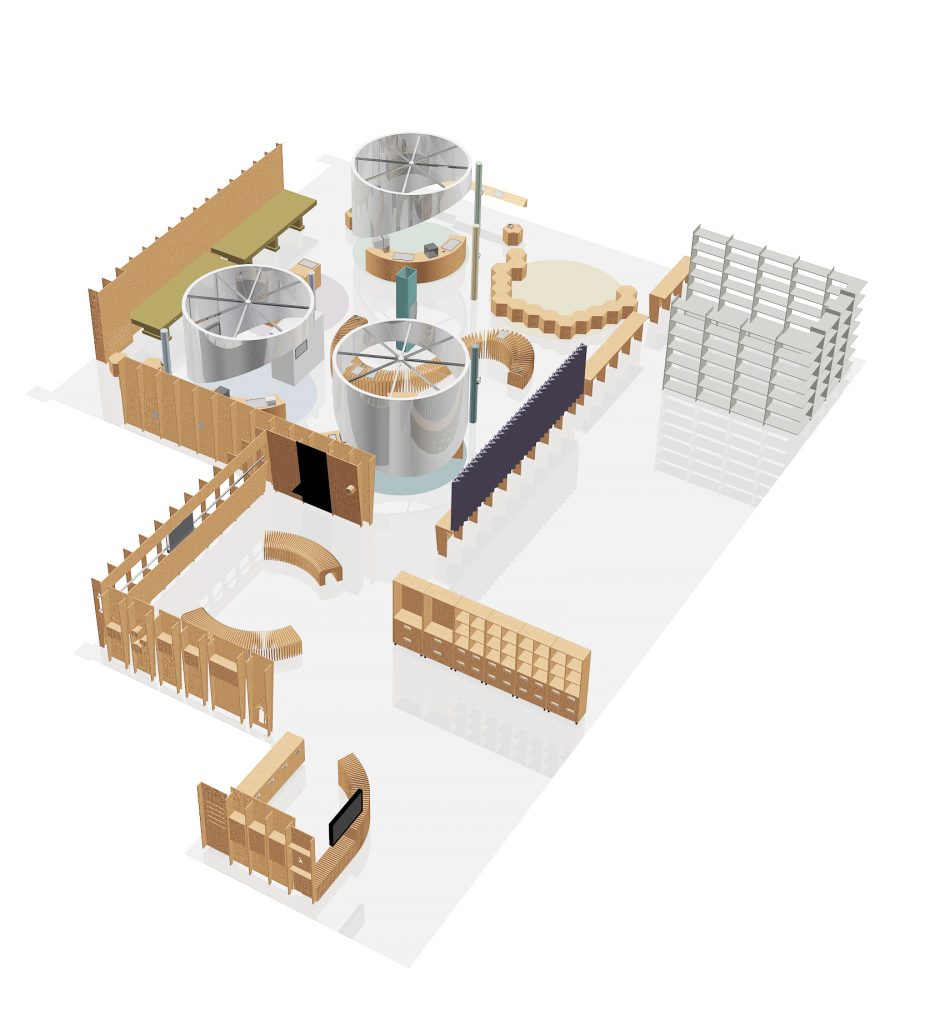
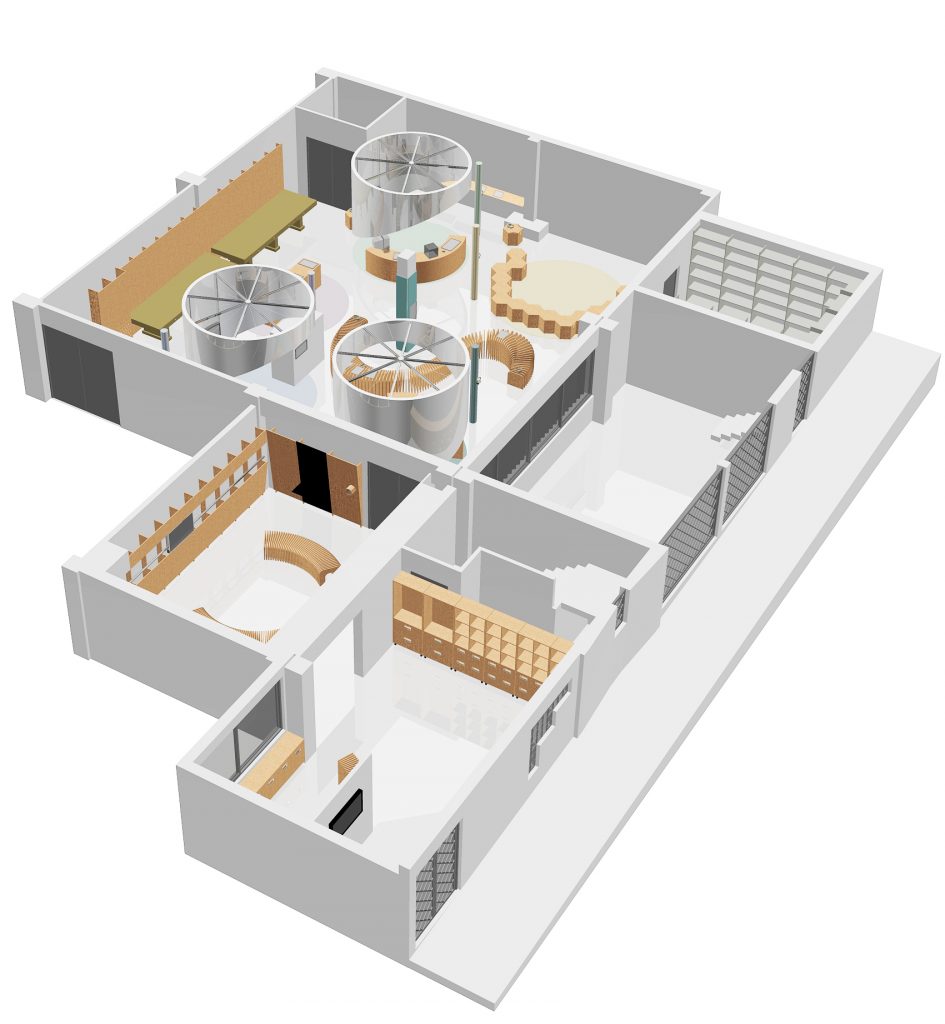
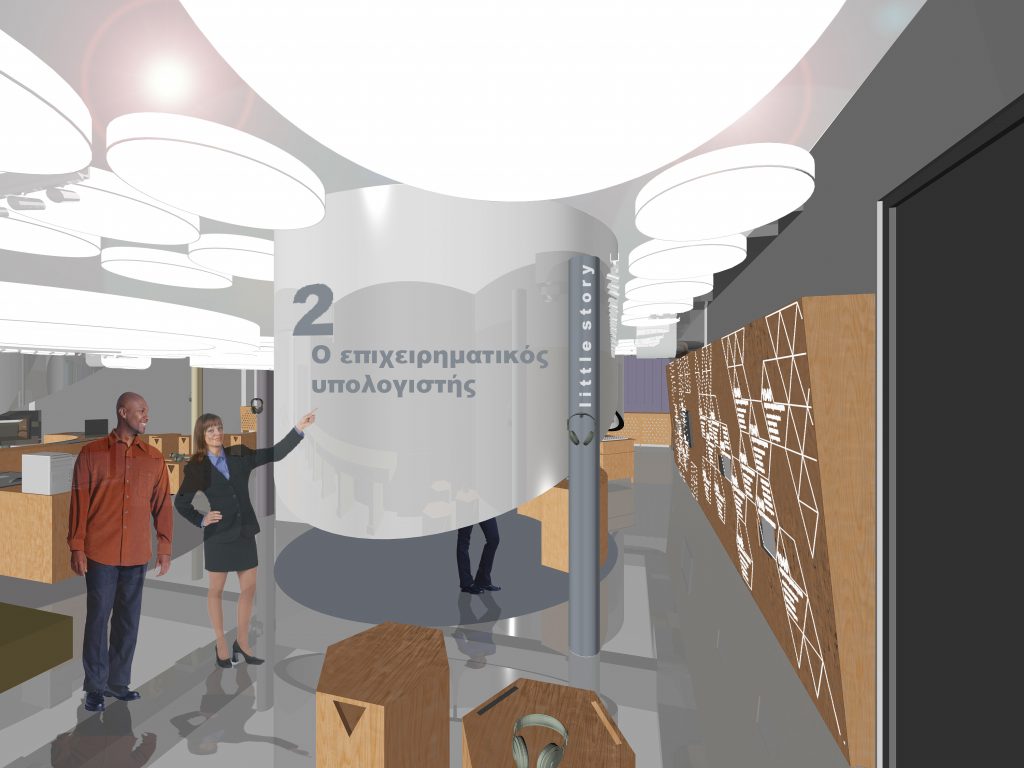
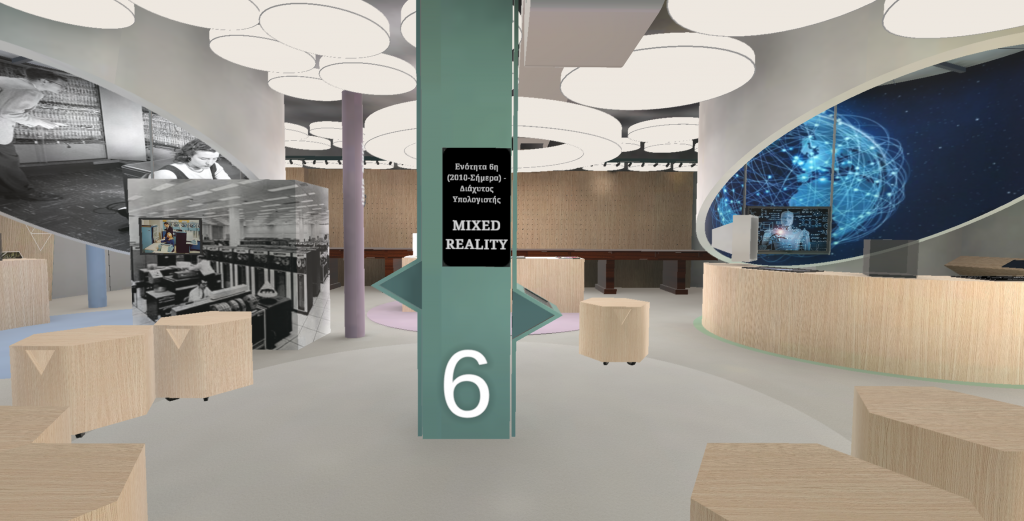
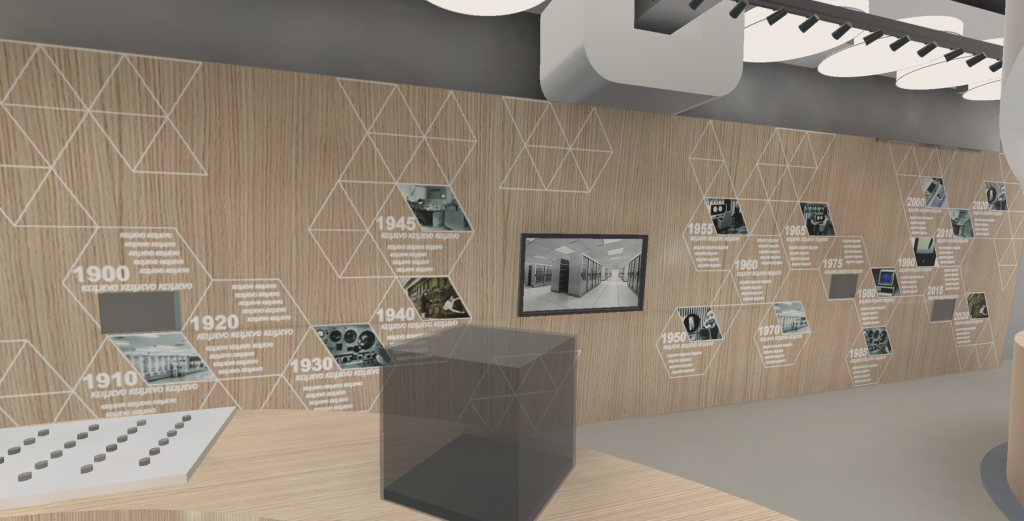
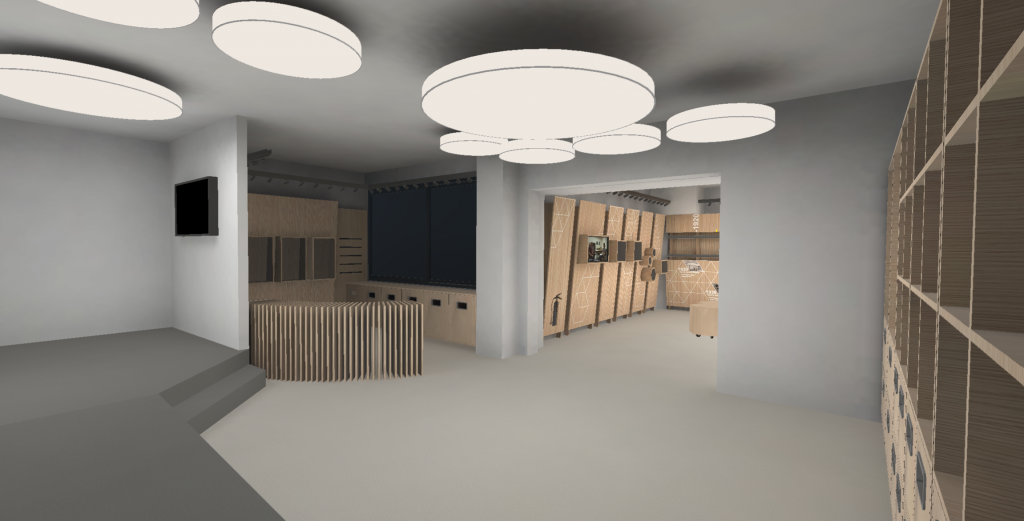
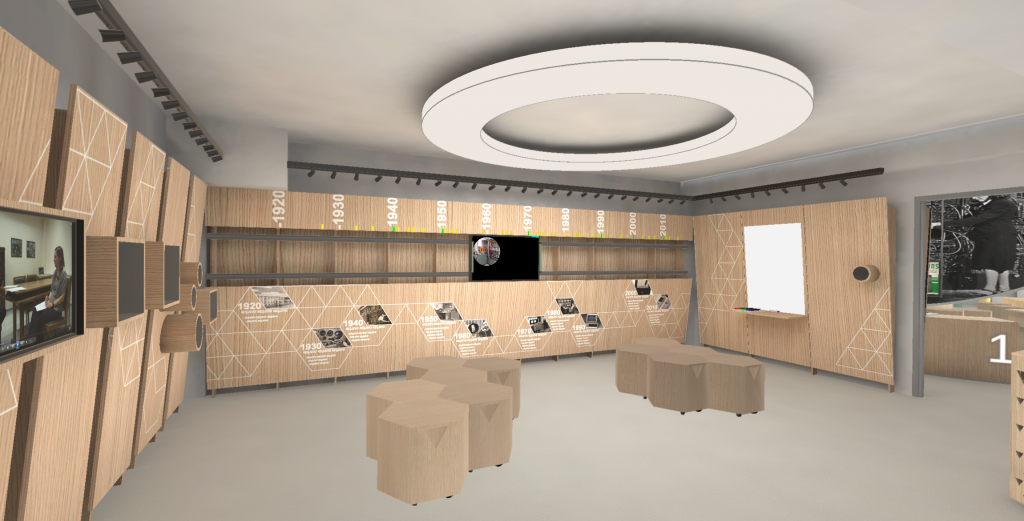
The exhibition plan organises the Museum around an entrance and reception area (1), an introductory history room (2), the main exhibition room (3) and an archive/storage area (4).
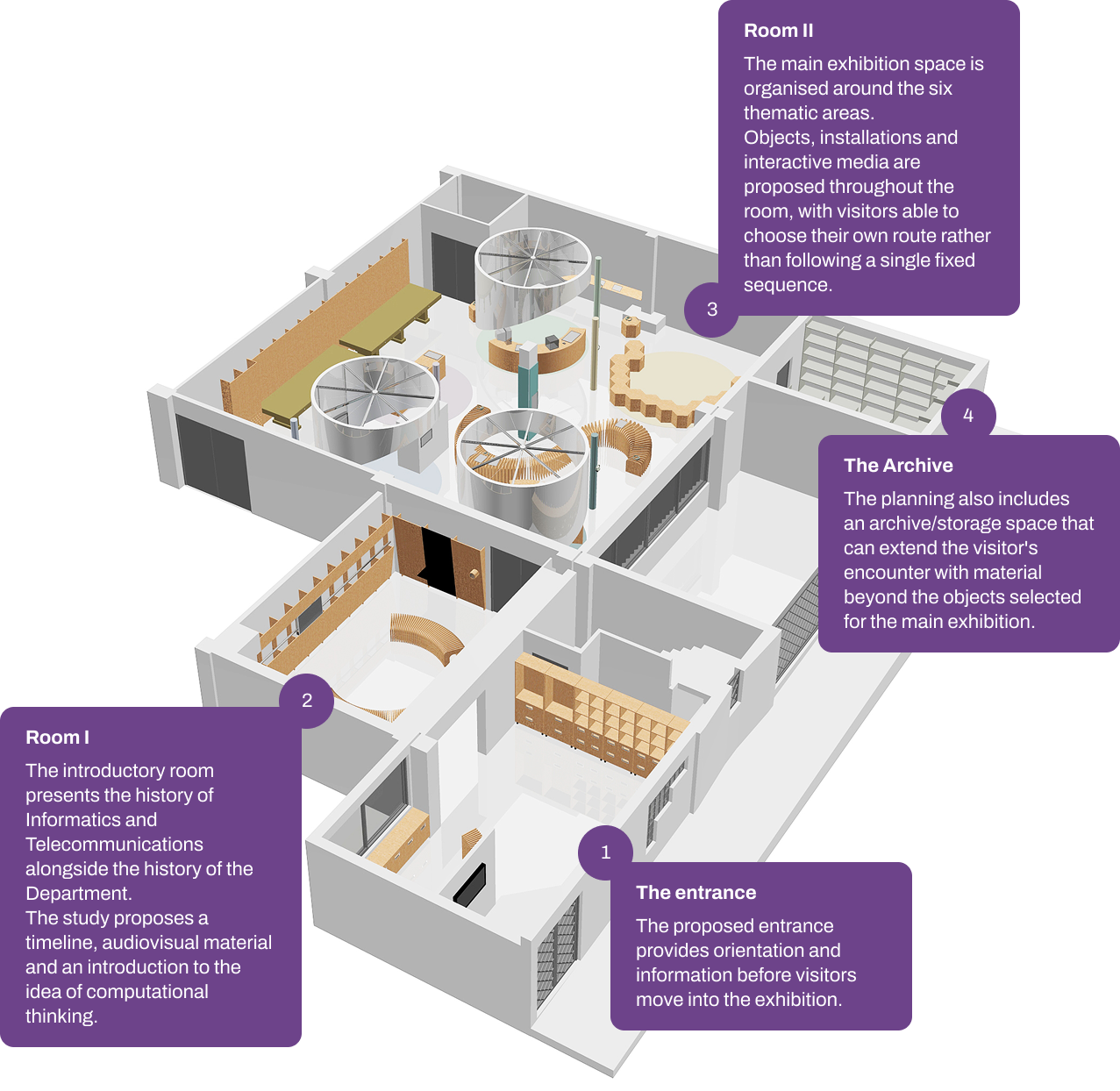
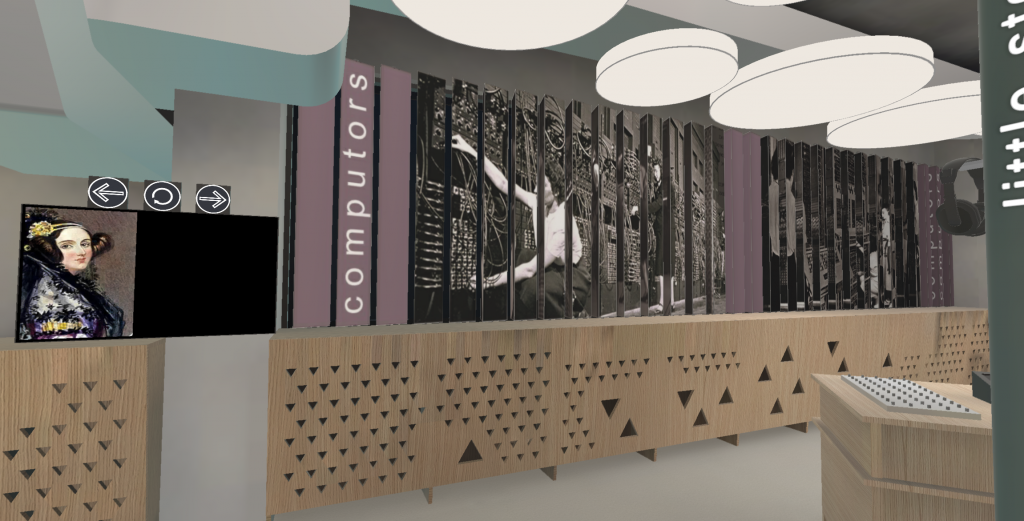
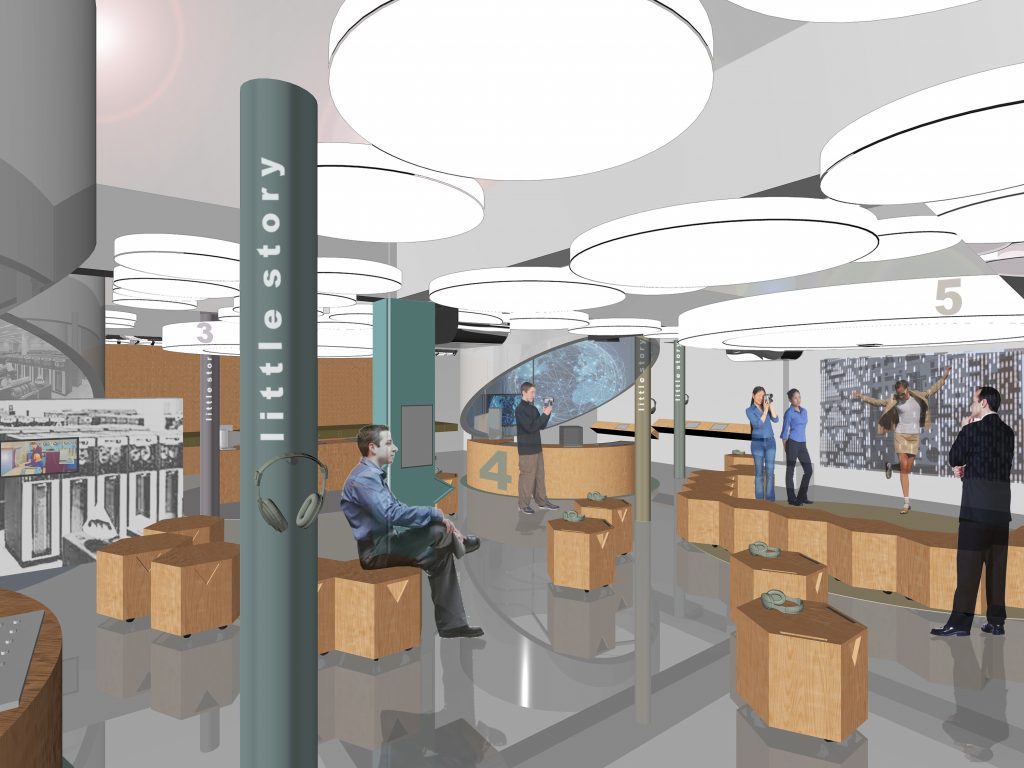
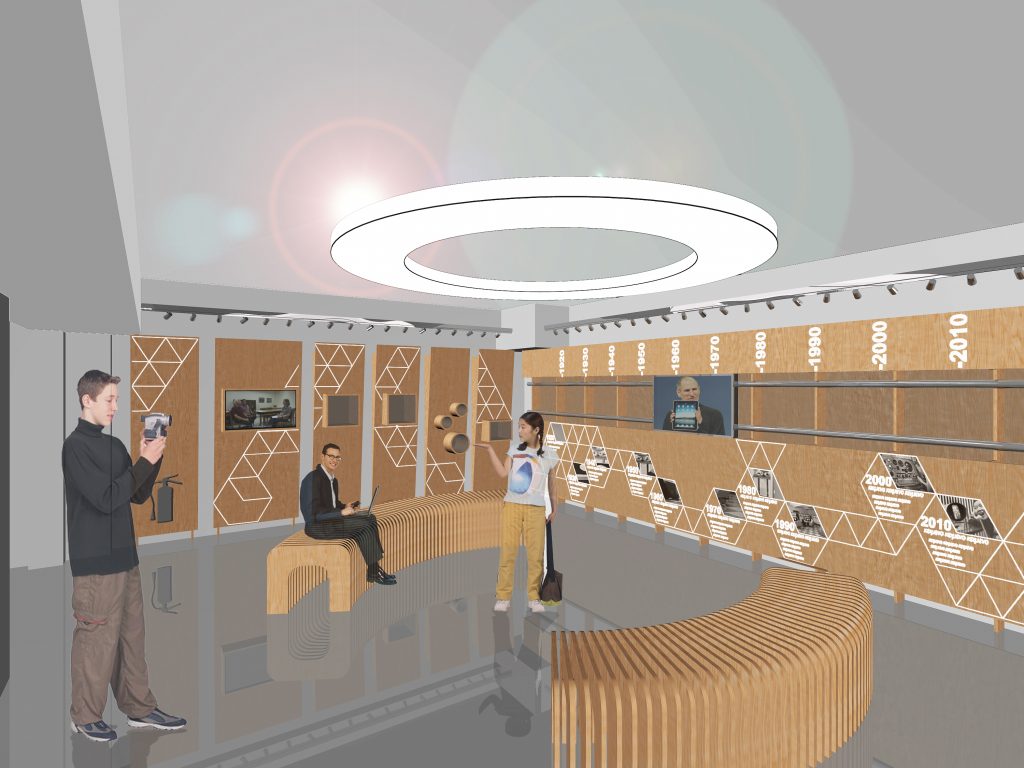
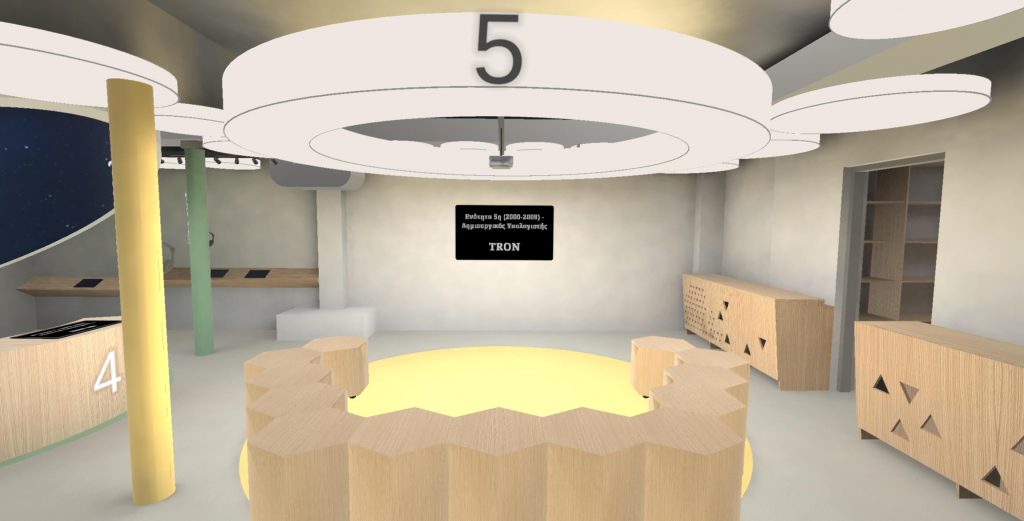
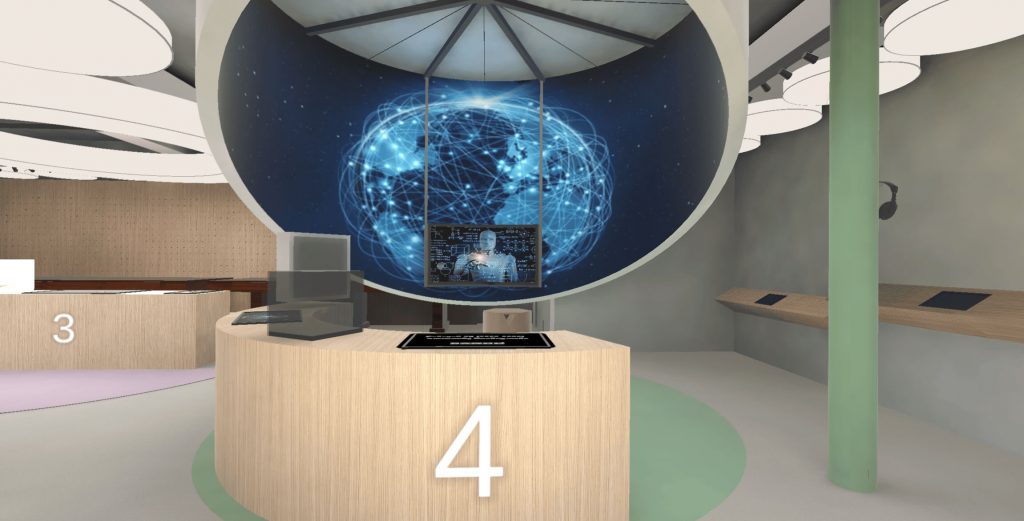
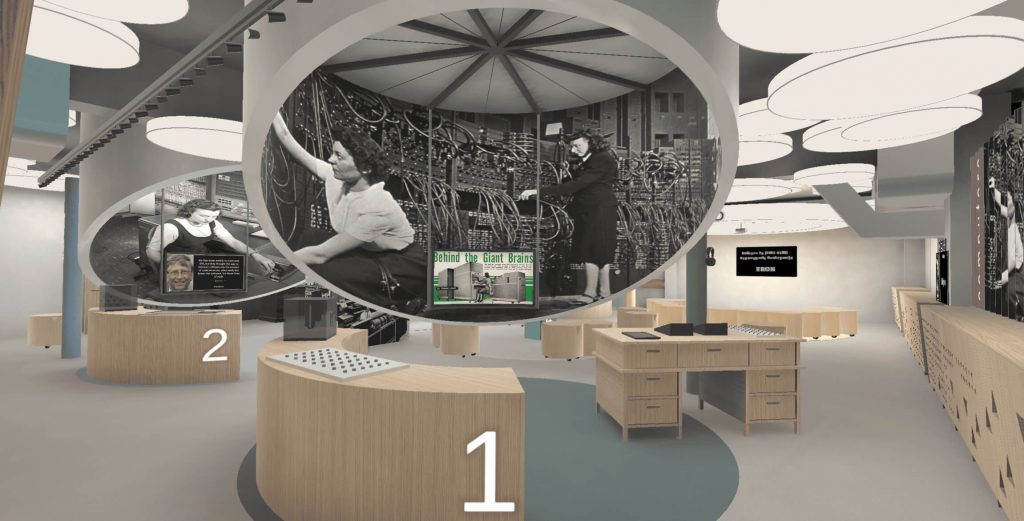
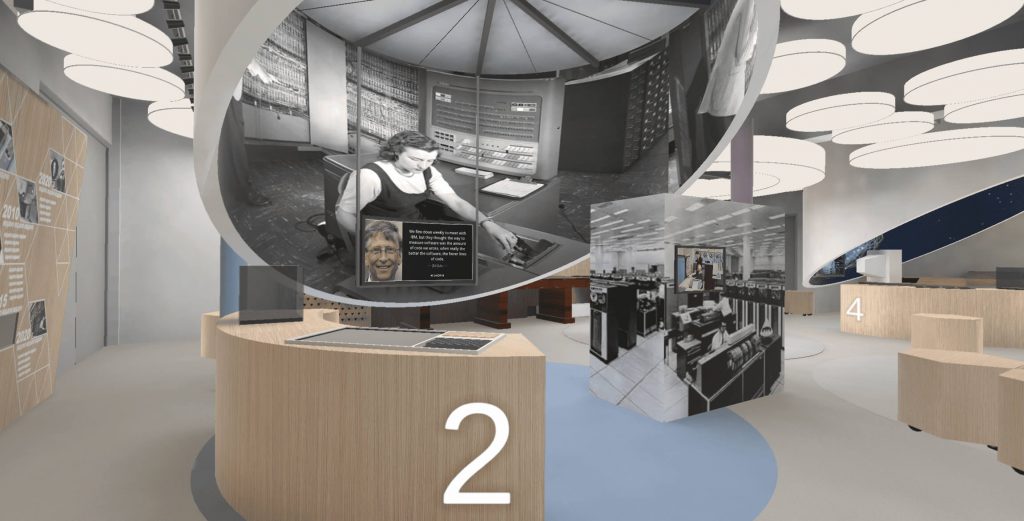
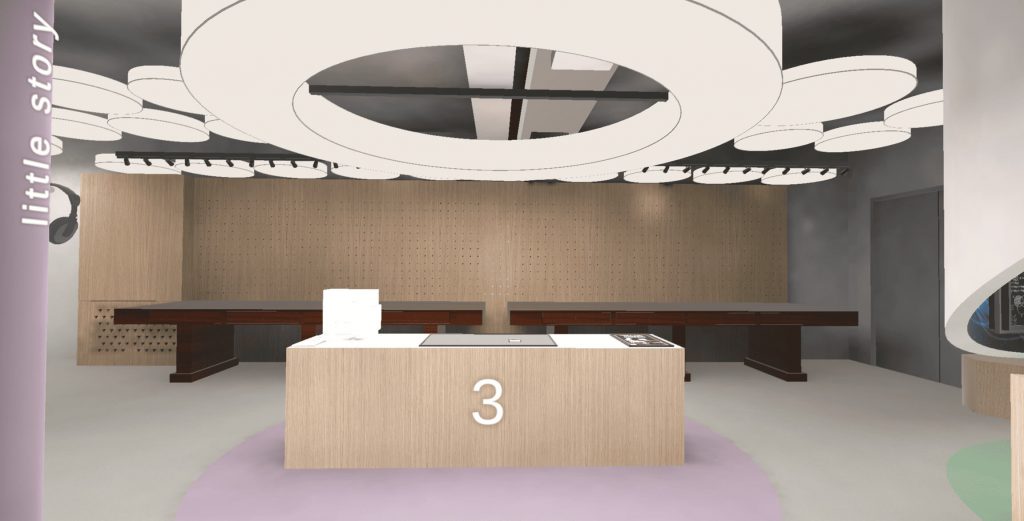
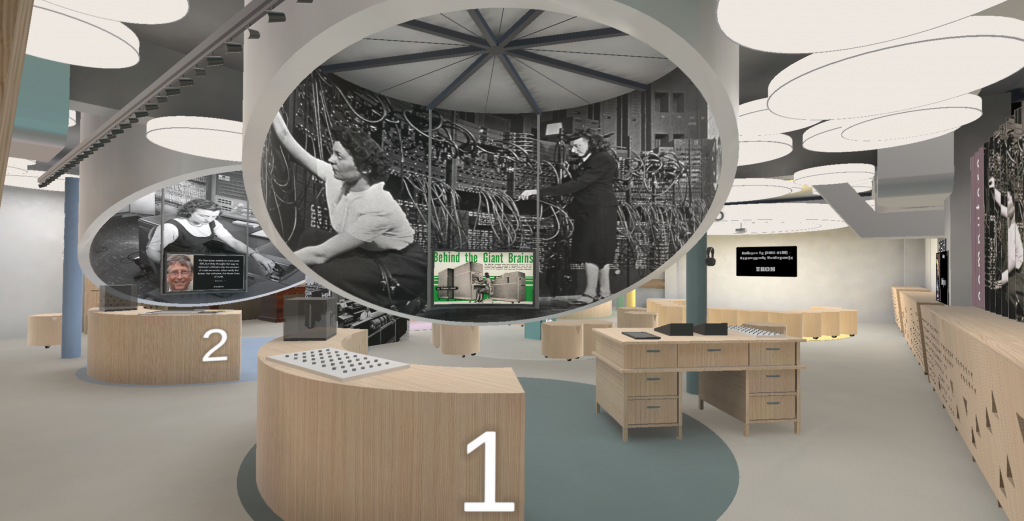
The drawings and visualisations presented here come from the museological and architectural development of the permanent exhibition.
Together they explore the organisation of the rooms, the visitor route, thematic areas and proposed exhibition installations. A guided tour of the VR experience of the museum can also be watched.
Gallery